Plumbing leaks are caused by corrosion, worn seals, high water pressure, loose joints, freezing, and poor installation. You can prevent most of them with regular checks, steady pressure, and quick repairs.
Even a small drip wastes water and can rot wood, feed mold, and weaken a ceiling. In Connecticut, winter freezes add another risk. Knowing what to look for helps you catch trouble early.
Common Causes of Plumbing Leaks
Corrosion and Aging Pipes
Metal pipes wear down over time. Water chemistry, minerals, and age thin the pipe wall until pinholes form. Older galvanized steel is a frequent offender.
Worn Seals and Gaskets
Rubber washers, gaskets, and wax rings dry out and crack. They are a common source of drips at faucets, toilets, and supply connections.
High Water Pressure
Pressure that is too high stresses pipes, joints, and fixtures. It can make fittings weep and shorten the life of appliances. A pressure test is a quick way to check. Our water pressure repair team can correct it.
Loose or Damaged Joints
Pipes connect with fittings, and fittings can shift, loosen, or fail. Vibration, movement, and poor workmanship all play a part.
Frozen Pipes
Water expands when it freezes and can split a pipe. The leak often shows up after the pipe thaws. Pipes along exterior walls, in crawl spaces, and in unheated areas are most at risk.
Tree Roots and Shifting Ground
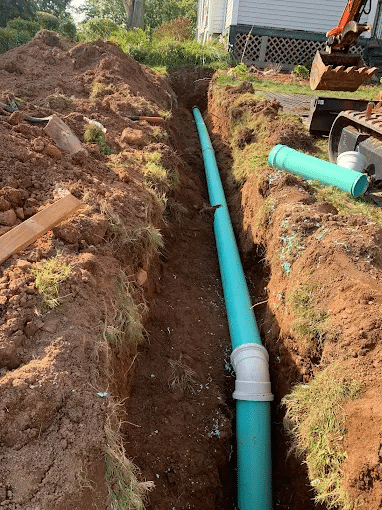
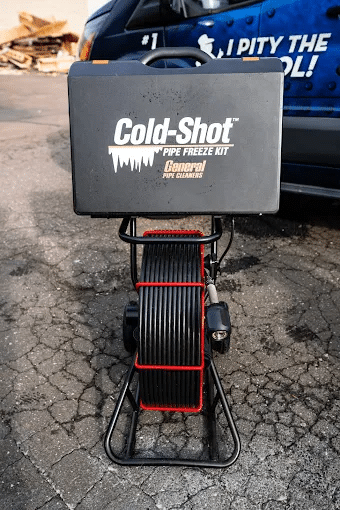
Roots can enter buried lines, and shifting soil can crack them. If you suspect a damaged underground line, a sewer camera inspection can show what is happening.
Poor Installation
Incorrect fittings, rushed work, and DIY repairs can lead to slow leaks that go unnoticed for months. Hiring licensed pros reduces that risk.
Warning Signs of a Hidden Leak
- A water bill that rises with no change in habits.
- The water meter moves when every fixture is off.
- Stains, bubbling paint, or warped flooring.
- Musty smells or visible mold.
- The sound of running water when nothing is on.
- Low pressure with no clear cause.
For leaks under a concrete floor, see our slab leak detection service. For other hidden leaks, our leak detection and repair team uses non-invasive tools to find the source before opening anything up.
How to Prevent Plumbing Leaks
- Check under sinks and around toilets, the water heater, and the washing machine each month.
- Know where your main shutoff valve is and test that it turns.
- Keep pressure in a safe range and install a PRV if needed.
- Insulate exposed pipes and keep heat on in cold weather.
- Replace aging supply hoses and worn washers before they fail.
- Do not use harsh chemical drain cleaners, which can damage pipes.
- Have a plumber inspect older systems.
The EPA shares tips for finding leaks around the home on its Fix a Leak Week page.
What to Do When You Find a Leak
Shut off the water to the fixture or to the whole house. Dry the area quickly to limit mold. Take photos for insurance, and call a licensed plumber. Temporary fixes can hide bigger issues, so get the cause identified. If the damage is spread through old pipe, repiping may be more cost effective than repeated repairs, and water line repair and replacement can address buried supply lines. An annual plumbing system inspection helps catch problems early.
If you want a licensed team on the job, reach A-Team Plumbing & HVAC through our contact page. We work 24/7, give upfront written pricing with no hidden fees, and offer financing on larger projects. A-Team is owned by Manny Galarza, and we hold CT licenses P-1 P1288989, S-1 S1-0410344, and HIC-0662416.
Frequently Asked Questions
What is the most common cause of plumbing leaks?
Worn seals, corrosion, and high pressure are among the most frequent causes. Age and poor installation also play a role.
How can I tell if I have a hidden leak?
Check your water meter with all fixtures off. If it still moves, water is escaping somewhere. Rising bills, stains, and musty smells are other clues.
Can a small leak really cause damage?
Yes. A slow leak can rot framing, ruin flooring, and grow mold over time, often before you notice it.
Should I repair or replace leaking pipes?
A single failed joint can be repaired. If leaks keep appearing in old or corroded pipe, replacement is usually the better long-term fix.