To increase water pressure in your Connecticut home, first find out whether the problem is at one fixture or all of them. Clean a clogged aerator, check that the main shutoff is fully open, and have a plumber test the pressure regulator and pipes if the problem is house-wide.
Low pressure turns showers and dishwashing into a chore. The cause can be as simple as mineral buildup on a faucet or as serious as a leaking pipe. Work through the steps below from easiest to hardest.
Common Causes of Low Water Pressure
Clogged Aerators and Showerheads
Minerals collect in small screens and holes. If only one faucet or shower is weak, this is the likely cause.
Partly Closed Valves
The main shutoff valve, the meter valve, or a fixture stop may not be fully open. This often happens after plumbing work.
Pressure Reducing Valve Problems
Many homes have a pressure reducing valve (PRV) near where the main line enters. When it wears out or is set too low, pressure drops throughout the house.
Corroded or Narrow Pipes
Older galvanized steel pipes rust from the inside and restrict flow. Mineral scale can do the same in other materials.
Hidden Leaks
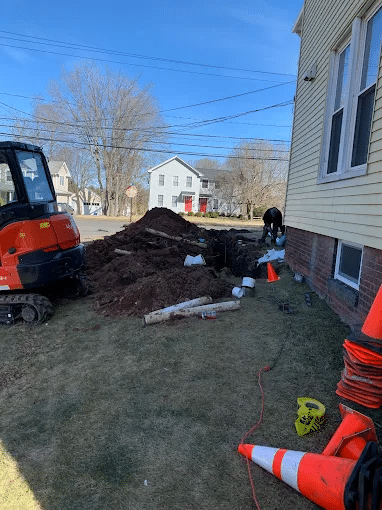
A leak between the street and your fixtures lets water escape before it reaches you. Our leak detection and repair team can locate them with minimal damage to your walls and floors.
Municipal Supply Issues
Sometimes the problem is outside your home. Ask neighbors whether they see the same drop, and contact your water utility if they do. If your home uses a private well, a failing pump or pressure tank may be to blame.
Easy Checks You Can Do Today
- Clean the aerator. Unscrew it from the faucet, rinse it, soak it in vinegar if it is crusty, and reattach it.
- Soak the showerhead the same way, and use a toothpick to clear the holes.
- Open the main shutoff valve all the way.
- Test hot and cold separately. If only hot is weak, the water heater or its shutoff may be the cause.
- Check whether a water softener or filter is clogged. Try bypassing it briefly to see if pressure improves.
Test the Pressure with a Gauge
A simple gauge screws onto an outdoor hose spigot. Close all fixtures, attach the gauge, and read it. Most homes run well between 40 and 80 psi. A reading under that range suggests a supply, valve, or pipe problem. A reading over it can damage appliances and fixtures, and it is just as worth fixing.
When to Call a Plumber
Call a licensed plumber if you see low pressure at every fixture, a PRV that needs adjusting or replacing, pipes that look rusted or scaled, or signs of a leak such as damp spots or a meter that moves when everything is off. Our water pressure repair service starts with a pressure test to pinpoint the cause, then we explain the options in writing before work begins.
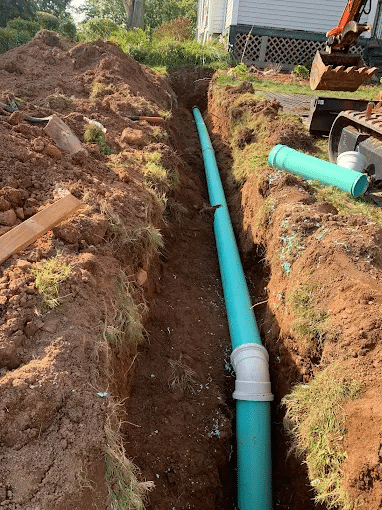
Depending on what we find, the fix might be a new PRV, a booster pump, or water line replacement. For whole-house piping that has reached the end of its life, repiping restores strong, reliable flow.
Why Not Just Turn the PRV Screw?
You may see advice to adjust the PRV yourself. A small change can raise pressure, but too much can strain pipes, water heaters, and appliances. If you adjust it, make small changes and recheck with a gauge. If it does not respond, the valve may be worn out, and replacement is the right fix.
If you want a licensed team on the job, reach A-Team Plumbing & HVAC through our contact page. We work 24/7, give upfront written pricing with no hidden fees, and offer financing on larger projects. A-Team is owned by Manny Galarza, and we hold CT licenses P-1 P1288989, S-1 S1-0410344, and HIC-0662416.
Frequently Asked Questions
What is a normal water pressure for a house?
Most homes do well between 40 and 80 psi at the hose spigot. Lower feels weak, and higher can wear out plumbing.
Why is my water pressure low in just one faucet?
A clogged aerator or a partly closed fixture stop is the usual cause. Clean the aerator first.
Can a leak cause low water pressure?
Yes. A leak in the supply line lets water escape before it reaches your fixtures. Look for damp ground, wet spots, or a meter that keeps moving when nothing is on.
Will a booster pump fix low pressure?
It can, if the supply is the issue. A plumber should confirm the cause first, because a pump will not fix a clogged pipe or a leak.